
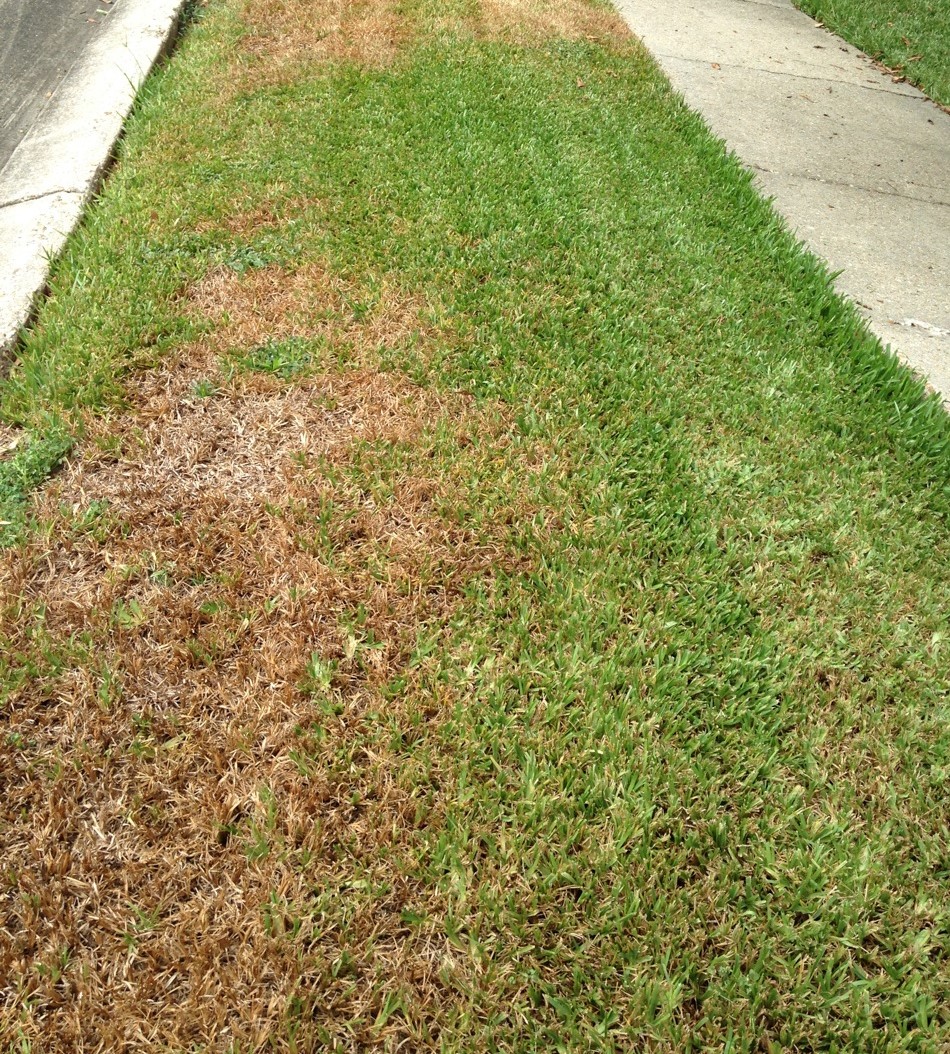
Grass may slow down in winter, but that doesn’t mean lawn care stops in Acadiana. In Lafayette, Youngsville, Broussard, and surrounding areas, winter grass cutting plays an important role in keeping lawns healthy, clean, and ready for spring.
Knowing when to mow, how often, and when to stop helps prevent turf damage and sets your lawn up for a strong growing season.
Does Grass Grow in Winter in Acadiana?
Yes — just slower.
Most lawns in Acadiana are warm-season grasses like St. Augustine, Bermuda, and Zoysia. While these grasses go dormant in winter, they don’t completely stop growing. Mild temperatures, winter rain, and occasional warm spells can still trigger growth.
That’s why winter mowing is sometimes necessary.
Why Winter Grass Cutting Still Matters
Even during dormancy, mowing has benefits.
Winter grass cutting helps:
-
Keep lawns clean and uniform
-
Prevent matting from fallen leaves
-
Reduce disease pressure caused by excess moisture
-
Improve curb appeal year-round
Allowing grass to grow too tall in winter can lead to weak turf and uneven spring green-up.
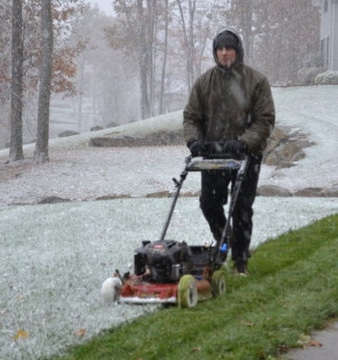

How Often Should You Cut Grass in Winter?
Winter mowing frequency depends on weather and growth.
In Acadiana, most lawns need:
-
Mowing every 2-3 weeks during winter
-
Fewer cuts during colder stretches
-
Occasional mowing during warm spells
If grass isn’t actively growing, mowing isn’t needed. Cutting dormant turf too often can stress the lawn.
Proper Winter Mowing Height
Maintaining the correct height is critical during winter.
General winter mowing guidelines:
-
Avoid cutting grass too short
-
Remove no more than one-third of the blade height
-
Keep mower blades sharp to prevent tearing
Scalping grass in winter exposes turf to cold stress and increases the risk of disease.
Leaf Management Is Part of Winter Lawn Care
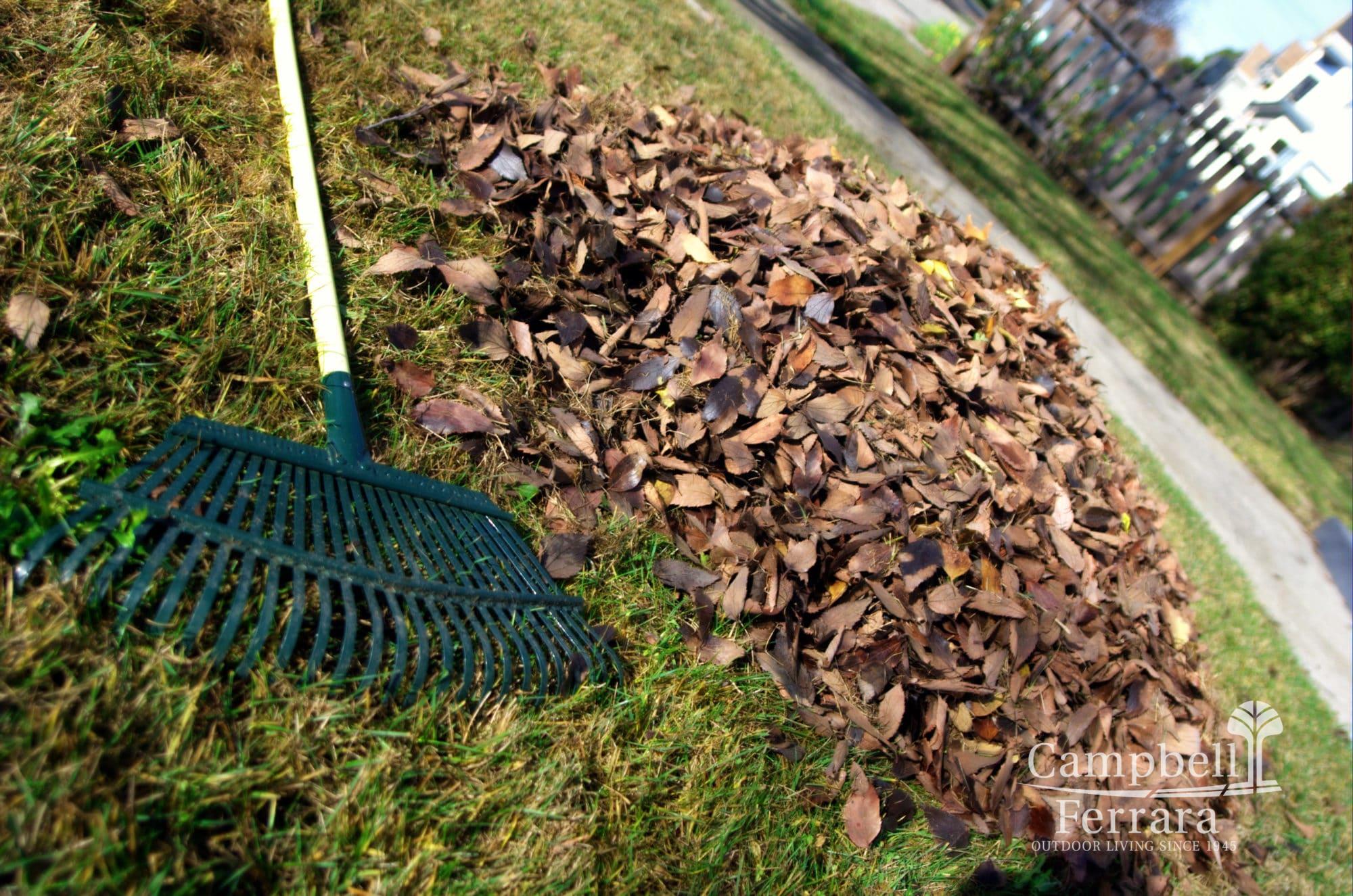
Fallen leaves are one of the biggest winter lawn issues in Acadiana.
Leaving leaves on the lawn can:
-
Block sunlight
-
Trap moisture
-
Encourage fungal disease
Winter grass cutting often includes blowing or mulching leaves to keep turf healthy and clean.


When to Stop Cutting Grass for Winter
Grass cutting typically slows or stops when:
-
Growth has completely stopped
-
Consistent cold temperatures set in
-
Soil remains saturated
Once spring approaches and temperatures rise, mowing frequency increases gradually to avoid stressing the turf.
Winter Mowing Sets Up a Better Spring Lawn
Skipping winter mowing entirely often leads to:
-
Uneven spring growth
-
Increased weed pressure
-
Delayed green-up
Light, well-timed winter grass cutting keeps lawns tidy and helps turf transition smoothly into spring.
Professional Winter Lawn Care in Acadiana
Winter lawn care isn’t about cutting on a schedule — it’s about responding to conditions. Rainfall, temperature, and turf type all matter.
At Acadiana Landscape Materials, winter grass cutting is handled as part of a seasonal approach that protects turf health while keeping properties looking sharp year-round.
If you’re unsure whether your lawn needs winter mowing, a professional evaluation can help prevent unnecessary cuts and long-term damage.